
Costco Superfans: Cult Following or Smart Shopping? A Data Dive.
The Costco Craze: More Than Just Bulk Buys?
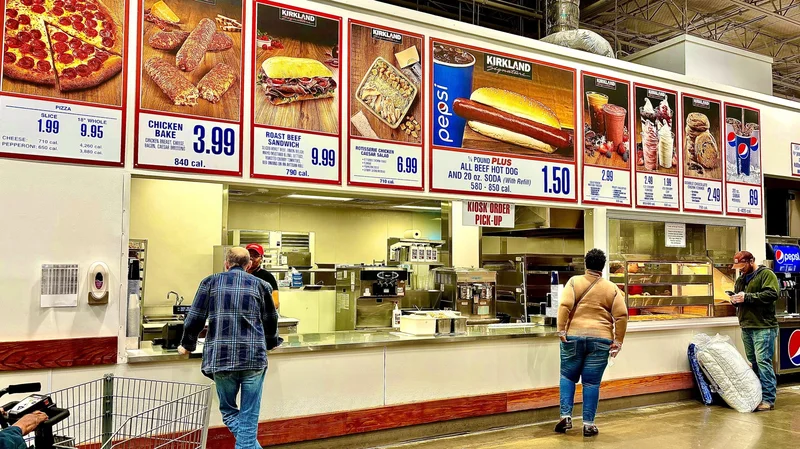
Costco. The name conjures images of overflowing shopping carts, oversized teddy bears, and the siren song of the $1.50 hot dog. But is this warehouse wonderland truly a haven for savvy shoppers, or is it something more akin to a cult, fueled by clever marketing and the illusion of savings? Let's crunch some numbers.
We see articles profiling "Costco superfans" – individuals like Kate Spencer, author of the "Executive Member" Substack, and Melizza Medrano, known as the "Costco Chika" on TikTok and Instagram. Henry, the creator of the @CostcoDeals Instagram account with over 1.6 million followers, admits to visiting Costco four to five times a week (that’s a lot of samples). These aren't just casual shoppers; they're dedicated content creators, building their personal brands around their love for the big-box store. Want to shop Costco like a pro? The shopping hacks these superfans swear by.
But here's where the data gets interesting. Costco boasts around 145 million cardholders worldwide. The Costco subreddit draws 1.4 million visitors each week. That's a massive audience, but what percentage are truly "superfans," dedicating significant time and energy to promoting the brand? (And by "promoting," I mean doing free marketing for a multi-billion dollar corporation).
Anecdotally, online communities act as a focus group. We see devoted fans offering shopping tips and showcasing their favorite finds. But how do we quantify the impact of this online buzz on Costco's bottom line?
The Allure of the Asterisk: Scarcity and Savings
One key element driving this "superfan" behavior is the perceived scarcity of certain items. Henry from @CostcoDeals highlights the importance of checking price tags for special codes. An asterisk, or "Death Star," indicates that an item won't be restocked for a while, potentially creating a buying frenzy. A price ending in .97 signifies clearance.
This tactic plays on a fundamental human bias: loss aversion. We feel the pain of missing out on a deal more strongly than the joy of acquiring it. Costco masterfully leverages this, creating a sense of urgency that encourages impulse purchases.
But here's the question: are these "deals" always genuine savings? A discounted gift card, for example, might seem like a great value. But are you actually saving money if it compels you to spend more at a particular retailer than you otherwise would have? (Think of it as a store-branded IOU).
The Thanksgiving dinner kits offer a fascinating case study in value perception. As one source details, the in-warehouse Turkey Dinner Kit, at roughly $40, is significantly cheaper and tastier than the $200 Complete Gourmet Thanksgiving Dinner offered online. I Tried Both Costco Thanksgiving Dinners & This Is The One You Should Buy This discrepancy highlights the importance of comparing prices and considering the source of the product (Kirkland Signature vs. a third-party purveyor).
I find this difference in price and quality particularly telling. It suggests that Costco's core value proposition lies in its in-house brands and curated selection, not necessarily in offering the absolute lowest price on every single item.
The Data Doesn't Lie, But It Can Be Misleading
Costco's success is undeniable. But before we crown it the king of consumer savings, let's take a step back and analyze the data with a critical eye.
The "superfan" phenomenon, while seemingly organic, is likely amplified by social media algorithms and Costco's own marketing efforts. The perceived scarcity of certain items, while creating a sense of excitement, can also lead to impulse purchases and unnecessary spending. The true value of a Costco membership depends on individual shopping habits and the ability to resist the allure of the "Death Star."
And this is the part of the analysis that I find genuinely puzzling: If Costco’s deals are truly so good, why does the company need superfans generating free content? What are we missing?
It's Not a Cult, But It's Close
Costco is a business, and a damn good one. It's not a cult, but it masterfully cultivates a sense of community and loyalty, leveraging psychological biases to drive sales. The key to smart shopping at Costco isn't blind devotion, but a data-driven approach, comparing prices, resisting impulse buys, and questioning the true value of every "deal.